

Overview
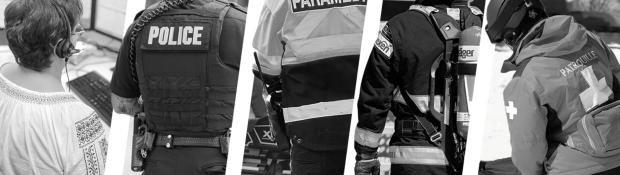
Public safety personnel regularly respond to emergencies, traumatic events, critical incidents, and situations that can have lasting impacts on mental health and wellbeing. Whether working on the front lines, coordinating emergency responses, or supporting public safety operations behind the scenes, the demands of public safety work are unique.
The Government of the Northwest Territories (GNWT) is partnering with PSPNET to provide eligible public safety personnel with access to free, confidential, evidence-based online mental health supports specifically designed for the realities of public safety work.
What is PSPNET?
PSPNET is Canada's leading online mental health program developed specifically for public safety personnel.
Delivered by the Canadian Institute for Public Safety Research and Treatment (CIPSRT) at the University of Regina, PSPNET provides specialized services that are tailored to the unique experiences and occupational stressors commonly faced by public safety professionals.
PSPNET offers:
- Therapist-guided internet-delivered cognitive behavioural therapy (ICBT)
- Self-guided online courses
- Mental health self-assessments
- Educational resources
- Ongoing support from trained therapists
- Flexible online access from any community in the Northwest Territories
- Services available in English and French
Research shows PSPNET can significantly reduce symptoms of:
- Anxiety
- Depression
- Post-traumatic stress
- Occupational stress injuries
- Work-related mental health challenges
Research has also found:
- 98% of participants report PSPNET was worth their time
- 97% would recommend the program to a friend or colleague
How PSPNET works
Sign up
Visit PSPNET to select the course that is right for you and create an account. You can choose between Therapist-Guided Courses or Self-Guided Courses.
Complete a short online questionnaire
Answer a few questions online so they can understand your needs and connect you with the right support.
Connect with a therapist
Book a phone call with one of their registered therapists to discuss your goals and confirm your course.
Begin your program
You will receive an email within 1–3 business days containing everything you need to get started. Services can be accessed from home, work, or any location with internet access.
Why specialized support matters
Public safety personnel often experience workplace realities that differ significantly from many other professions. Examples include:
-
Exposure to traumatic incidents
-
Responding to fatalities and serious injuries
-
High-pressure decision-making
-
Critical incident stress
-
Long shifts and irregular schedules
-
Working in isolated or remote environments
-
Ongoing exposure to emergencies and crises
PSPNET was developed specifically to address these challenges and is designed by experts who understand public safety work. Unlike general mental health programs, course materials and examples reflect the experiences public safety personnel encounter throughout their careers.
Who can access PSPNET?
PSPNET is available to eligible public safety personnel in the Northwest Territories. This includes active, volunteer, trainee, and retired personnel working in roles such as:
Emergency response
-
Firefighters (career, volunteer, municipal, wildfire)
-
Paramedics
-
Search and rescue personnel
-
Emergency management professionals
-
Indigenous emergency services personnel
Law enforcement and public safety
-
Police officers
-
Border services officers
-
Correctional officers
-
Parole officers
-
Operational intelligence personnel
Communications and coordination
-
Emergency communications personnel
-
911 dispatchers
-
Public safety communicators
Military personnel
-
Canadian Armed Forces members
-
Veterans
Other eligible public safety professions
-
Other public safety professions may also be eligible. If you are unsure whether you qualify, visit www.pspnet.ca.
PSPNET families
Mental health affects not only public safety personnel, but also the people who support them. PSPNET Families is a free online resource developed alongside public safety personnel and their families to provide:
-
Information about occupational stress
-
Tools for improving communication
-
Strategies for supporting resilience
-
Resources that strengthen family wellbeing
Families play an important role in helping public safety personnel maintain their mental health throughout their careers.
Confidentiality and privacy
Many public safety personnel have concerns about privacy when seeking mental health support. PSPNET is designed to provide confidential care.
Participation in PSPNET is not automatically shared with employers, supervisors, municipal governments, co-workers, and professional associations. Individuals are encouraged to review PSPNET's privacy information directly when enrolling.
Seeking support is a personal decision, and PSPNET is designed to help participants access care in a private and respectful manner.
PSPNET and existing supports
PSPNET is not intended to replace existing mental health services. Instead, it complements services that may already be available through:
-
Employee Assistance Program (EAP)
-
Community counselling services
-
Indigenous wellness services
-
Mental health and addictions programs
-
Private counselling providers
-
Workplace wellness initiatives
PSPNET provides an additional option tailored specifically to public safety personnel.
Benefits for northern communities
Public safety personnel living in small, remote, and isolated communities can face additional barriers when accessing specialized mental health supports.
The online delivery model helps overcome challenges related to geography, travel requirements, limited local service availability, shift work, and scheduling constraints
This means eligible public safety personnel can access support regardless of where they live or work in the Northwest Territories.
Resources
Program Information
-
PSPNET: www.pspnet.ca
-
PSPNET Families: www.pspnet.ca/families
-
PSPNET Promotional Materials: www.pspnet.ca/promotional-materials
Mental Health Supports
-
Employee Assistance Program (where available)